
Cling LEZDS-J low-temperature bus heat pumps
Separate ambient operation, cold-weather heating output and simultaneous battery duty before approving a vehicle configuration.
From Zhengzhou Cling · Vehicle HVAC and thermal management
Individual product research · HVACDeck Editorial · Sources checked 2026-10-11

Select LEZDS-J heating and battery duty at the actual climate
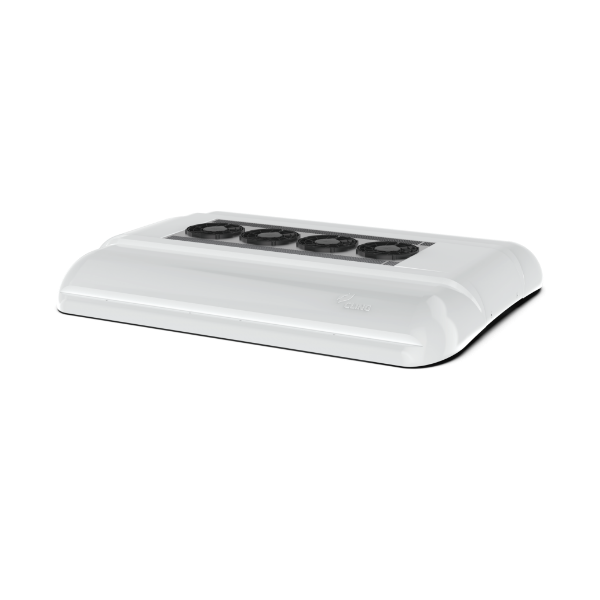
Cling’s LEZDS-J low-temperature electric heat-pump family is described for battery-electric, hybrid and fuel-cell buses and uses R410A in the published two-model schedule. The source also lists separate battery cooling while driving and charging, so the vehicle enquiry must define both cabin heating/cooling and the battery liquid-circuit interface. The roof-unit photograph is an original family reference; it does not settle coolant plumbing or a selected electrical/control package.
LEZDS-04-J lists 28 kW cooling, 25 kW heating and 5/8 kW battery cooling while driving/charging, with 4,000 m³/h evaporator airflow. The page gives a 40°C indoor/35°C outdoor test footnote but no complete humidity, voltage or separate low-temperature heating test. Its −15°C to 50°C operating claim therefore does not prove the listed 25 kW heating duty at −15°C. Obtain a climate-specific map before comparing heat-pump output with PTC backup.
Published parameters and their scope
This is an equipment family; its range does not identify one orderable configuration.
- Family designation
- LEZDS-J
Swipe the table, or focus it and use arrow keys, to read the conditions and sources.
| Parameter | Published value | Conditions and evidence |
|---|---|---|
| Published models and refrigerant | LEZDS-04-J / LEZDS-06-J; R410A | Original two-model schedule, not interchangeable with R407C or R744 families. Source |
| LEZDS-04-J reference | 28 kW cooling; 25 kW heating; 4,000 m³/h evaporator airflow | Shared source footnote says indoor 40°C/outdoor 35°C; separate heating/humidity/voltage conditions not defined. Source |
| Battery driving/charging duty | 5/8 kW for both published models | No coolant temperatures/flow/resistance or simultaneous load map supplied. Source |
| Roof assembly example | LEZDS-04-J: 2,750 × 2,000 × 260 mm; 260 kg; suggested 8–9 m bus | Body reference and suggested application; roof loads, mounting and service envelope require vehicle approval. Source |
| Operating and energy statements | Ambient −15°C to 50°C; over 50% less power than traditional PTC promoted | No climate/duty/defrost comparison file reviewed; not a low-temperature rated output or range guarantee. Source |
| Larger model reference | LEZDS-06-J: 38 kW cooling, 34 kW heating; 315 kg; 3,250 × 2,000 × 260 mm | Published kW rows used as source entries; other unit rows rounded differently, current selected schedule governs. Source |
Selection and application review
Request the cold-weather heating map and defrost allowance
Provide the minimum ambient, target cabin temperature, humidity, door duty and vehicle speed/idle conditions. Obtain the actual LEZDS-J heating capacity and electrical input at those points, including defrost interruptions and any auxiliary/PTC heating needed. An operating range is not a capacity guarantee throughout that range.
The advertised power saving against PTC lacks an equal-duty climate/test comparison in the reviewed page. Compare delivered cabin heat and total input over an agreed operating cycle, including backup and battery duties, rather than applying a headline percentage to vehicle range or winter energy demand.
Close the simultaneous cabin and battery operating modes
The table lists 5 kW battery cooling while driving and 8 kW while charging. Request coolant supply/return temperatures, flow, pressure loss and approved fluid, then define the cabin/battery load split and priority logic. The page does not show how both maxima are delivered simultaneously.
Agree behaviour during charging, cold cabin heating with battery cooling, battery-only operation and fault conditions. Obtain the actual coolant equipment and valve/sensor scope. A family photo and separate output rows do not establish a complete battery-system P&ID or an OEM-approved coolant circuit.
Obtain electrical and vehicle-control interfaces for this family
The LEZDS-J schedule does not list high/low-voltage ranges, input/current or a complete communication map. Request those for the exact order; do not transfer the ordinary EZDD/EZDS electrical platform merely because both are electric bus products. Define protection, isolation/interlocks, startup and the vehicle-control responsibility.
The page promotes pressure-sensor/electronic-expansion-valve control and remote monitoring. Obtain supported signals, protocol, alarms, required connectivity and loss-of-communication behaviour. Those feature statements do not prove a commissioned integration with the buyer’s vehicle controller or fleet platform.
Validate the roof package and service route
The smaller model is listed at 260 kg and 2,750 × 2,000 × 260 mm; the larger model has a different length and mass. Close the roof supports, mounting points, openings, air distribution and water/drain/service projections with the actual vehicle drawing. Suggested bus length is not a structural or passenger-comfort approval.
Request insulation, condensate arrangements, refrigerant service access and replacement paths. Confirm the actual R410A configuration and destination service/approval requirements. No refrigerant charge, installation-clearance drawing or current model certification was reviewed here.
Accept the climate-specific vehicle assembly
Issue cabin and battery loads, climate envelope, vehicle power/control architecture and roof drawings. Obtain a selected configuration with conditioned cooling/heating maps, simultaneous-duty evidence and coolant/electrical schedules. Keep the source’s standard-configuration/update warning in the approval file.
Agree vehicle tests for cold-weather heating/defrost, cabin pull-down, battery driving/charging modes and protective controls. Current price, firm delivery, independently measured savings and vehicle-range impact remain unknown. This individual family brief prepares the engineering enquiry without multiplying capacity rows into thin URLs.
Select at climate points
Obtain heating/input/defrost performance at actual winter conditions.
Approve shared thermal duties
Close battery coolant, simultaneous capacity and priority logic.
Validate on the vehicle
Check mounting, power, controls and specified acceptance modes.
Sources and review scope
Compiled by HVACDeck Editorial. Source review identifies what the publication states; it is not an independent performance test or certification.
- Official LEZDS-J product pageChecked 2026-10-11 · Complete model table, test footnote, ambient/energy claims and update disclaimer read; no independent performance test.
- Original LEZDS-J family imageChecked 2026-10-11 · Original roof-unit image visually inspected; exact plumbing/electrical order scope not established.

Editorial method and corrections · Report a detail with this page URL
Turn the evidence into an enquiry
Send the manufacturer your required duty, installation conditions and the unresolved items identified in this brief.
Other equipment from this manufacturer
Cling EFDR independent glycol cooling
Cling EDDR roof-mounted liquid battery cooling
Cling DFDD independent-drive vehicle cooling
Cling FFND/XFND internal bus cooling